
Roof failures caused by heavy snowfalls are a common issue for Pennsylvania residents. As winter storms cause roofs to collapse under the pressure of accumulated snow and ice, property damage claims spike, placing homeowners and property managers at risk for costly damages. In this detailed guide, we will explain why these failures happen, the impact they have on property damage claims, and preventative measures you can take to protect your property.







Why Property Damage Claims Spike After Roof Failures in Heavy Pennsylvania Snow 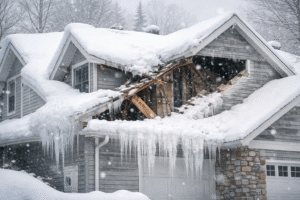
Winter storms in Pennsylvania can bring more than just beautiful snowfalls; they bring significant risks for homeowners and property managers. Gibson & Perkins, PC, often sees a rise in property damage claims following severe snowstorms, particularly related to roof failures. Roofs, which typically aren’t designed to bear heavy snow and ice loads, can easily collapse under these conditions.
These failures can result in extensive damage to the structure and interior of a home, leading to costly insurance claims. Understanding the factors that contribute to these failures and learning how to mitigate the risks can save both money and stress during the colder months.
The Dangers of Heavy Snow and Ice Accumulation
In a typical Pennsylvania winter, snow and ice are an inevitable part of the season. However, when heavy snow accumulates on a roof, it creates a dangerous weight load that can lead to severe structural damage. A roof’s ability to handle snow and ice depends on various factors, including its age, the materials used, and the roof’s overall condition.
Snow and ice can accumulate over time, especially during the winter months when Pennsylvania experiences a series of storms. In some instances, the snow may melt during the day and refreeze at night, creating a dangerous layer of ice on the roof. This process not only increases the weight burden but also blocks the normal flow of water, causing it to pool and put additional pressure on the roof structure.
For homeowners, this means that every storm that deposits several inches or feet of snow can increase the risk of roof failure. The situation is even more perilous for homes with older or poorly maintained roofs that may not be able to withstand these forces.
I hired Paul Fellman after speeking to several different lawyers from different law firms because he was the most sincere. Paul did an excellent job on my landlord tenant issue I had on my rental property. He was there for me from the beginning to the end of the whole ordeal. I was very satisfied and I highly recommend him and his firm.
Professionalism is the Word
I highly Recommend Gibson & Perkins. I have used their services for approximately 6 years now and been through a few cases together with very positive outcomes. Personally, I have used Paul Fellman and Walter Timby on those occasions. Both, as a team & separately these Attorneys were wonderful to work with and easily accessible to reach if I had any questions. Professionalism is the word that comes to mind to describe the firm, as a whole. Always completely prepared for any surprises that may pop up during a trial. They were well versed on all pertinent info pertaining to each case. As I client, I always felt I was an integral part of the team, not an after-thought, that had to be brought up to speed a half hour before the trial started. I could not recommend this firm and Mr. Fellman and Mr. Timby any higher.
Very Satisfied
Common Roof Problems Caused by Snow and Ice
There are several roof problems commonly caused by the accumulation of snow and ice. These include:
- Roof Collapse: One of the most obvious risks of snow accumulation is the potential for roof collapse. While roofs are built to withstand some weight, the excessive load from snow and ice can be overwhelming, especially when combined with other factors like wind or poor construction.
- Ice Dams: Ice dams form when melted snow refreezes at the edge of the roof, blocking proper drainage. This prevents water from flowing off the roof and causes it to back up under shingles, leading to leaks and water damage.
- Leaks and Water Damage: When ice dams form or when the roof is compromised by heavy snow, water can seep into the home, causing damage to walls, ceilings, and insulation. This can lead to extensive repair costs and costly claims for property damage.
- Weakened Roof Structures: The constant expansion and contraction of snow and ice can weaken a roof’s structure over time. The freezing and thawing process places significant stress on roofing materials, potentially leading to cracks or breaks that allow water to enter the home.
These issues are more than just minor inconveniences; they represent major threats to a property’s integrity. When a roof fails, it can result in tens of thousands of dollars in damages, which homeowners typically seek to recover through insurance claims.
The Impact of Roof Failures on Property Damage Claims
Roof failures caused by snow and ice are a major source of property damage claims, especially during harsh Pennsylvania winters. When snow accumulates and begins to melt, it often leads to leaks or total roof collapses. Insurance companies see a significant increase in claims during the winter months as a result.
These claims can be costly due to the damage they cause not just to the roof itself, but to the interior of the home. Water intrusion can lead to:
- Damage to ceilings, walls, and floors from leaks
- Electrical damage due to water coming into contact with wiring or light fixtures
- Damage to insulation that can lead to higher heating bills
- The destruction of personal belongings such as furniture, electronics, and other valuables
For property owners, these types of claims can result in long-term stress and financial strain. They can also lead to disputes over what is covered under their policy and how much their insurer will pay for repairs and replacements. It’s important to note that many homeowners may not realize that certain types of roof damage, like ice dams or water intrusion, might not be fully covered by their insurance unless specified in their policy.
Preventative Measures to Avoid Roof Failures
While snow and ice are inevitable during the winter months in Pennsylvania, there are several steps homeowners can take to minimize the risks associated with roof failures. Taking proactive measures to prepare for winter can prevent costly damage and reduce the likelihood of having to file property damage claims.
Regular Roof Inspections
One of the most important steps a homeowner can take to prevent roof damage is to have their roof professionally inspected before the winter season. Roofing contractors can look for signs of wear, structural weaknesses, or damage that could compromise the roof’s ability to withstand snow and ice. Regular inspections are especially important for older homes, which may need repairs or replacements to ensure the roof is in good condition.
Insulation and Ventilation
Proper insulation and ventilation in the attic can help prevent ice dams, which form when warm air from the house melts snow on the roof, causing it to refreeze at the edges. Proper ventilation helps ensure that the attic remains cold, reducing the chance of ice dam formation. Additionally, insulating the roof properly can prevent warm air from escaping into the attic and causing snow to melt prematurely.
Snow Removal
Another effective way to prevent snow accumulation is to remove snow regularly from the roof. While it’s essential to have a professional do this to avoid injury, removing snow before it can accumulate too much can significantly reduce the load on the roof. Many property owners hire snow removal services to ensure the roof remains clear after every major storm.
Gutter Maintenance
Maintaining your gutters is essential for preventing roof damage caused by snow and ice. Clogged gutters prevent snowmelt from draining properly, contributing to ice dams. Ensure gutters are cleaned regularly to allow water to flow freely during winter storms.
What to Do if Your Roof Fails
If your roof does fail due to heavy snow or ice, it’s crucial to act quickly to prevent further damage. Here are the steps to take:
- Contact Your Insurance Provider: As soon as you notice damage, report it to your insurance company. Document the damage with photos and a detailed description to help expedite your claim.
- Mitigate Additional Damage: If it is safe to do so, take steps to minimize further damage. This might include using a tarp to cover leaks or removing valuables from the affected areas.
- Hire a Professional Contractor: Contact a licensed contractor to assess the damage and begin repairs. They can provide an accurate estimate for repairs and help you get your home back to its pre-damaged state.
Roof failures due to heavy snow and ice in Pennsylvania can lead to a significant increase in property damage claims. These issues often cause widespread structural damage, leaks, and water intrusion, all of which can be expensive to repair. By taking proactive measures, such as regular roof inspections, proper insulation, and snow removal, homeowners can reduce the likelihood of roof failure and mitigate the risks.
If you have experienced roof damage or need assistance with property damage claims, the team at Gibson & Perkins, PC is here to help. Contact us today to discuss your options and ensure that your claim is handled properly.