
Late-winter storms can wreak havoc on your home in unexpected ways. In Pennsylvania, these storms can bring heavy snow, freezing rain, and ice, each contributing to damage that might not be immediately apparent. If you’ve experienced damage due to these winter conditions, it’s crucial to document the issues thoroughly before reaching out to your insurance company. Gibson & Perkins, PC, is here to provide helpful advice on ensuring that your claim is handled properly, with the documentation needed for a smooth process.







Understanding Late-Winter Storms in Pennsylvania 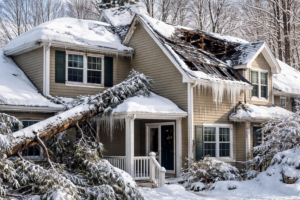
Late winter in Pennsylvania can be one of the most challenging times for homeowners. The state is known for unpredictable weather patterns, with winter storms arriving unexpectedly. From heavy snowfall to ice accumulation, the consequences of such storms can be extensive. Many homes in Pennsylvania may suffer damage from things like ice dams, roof leaks, and flooding from broken pipes, which are common problems caused by freezing temperatures.
These late-winter storms, though often brief, can cause significant structural damage to homes. It’s important to prepare for and assess any damage once the storm has passed, but the first step is always careful documentation. Without proper records, filing an insurance claim can be difficult, and your claim may be delayed or denied if essential information is missing.
The Importance of Documenting Damage
Before you call your insurance company, you need to thoroughly document any damage. Documentation is key to ensuring your insurance claim is processed quickly and effectively. The more detail you provide, the easier it will be for your insurer to understand the extent of the damage and the necessary steps for repair. This documentation not only speeds up the process but also ensures you get the compensation you deserve for repairs.
Here are the essential steps to follow when documenting damage from a late-winter storm in Pennsylvania:
I hired Paul Fellman after speeking to several different lawyers from different law firms because he was the most sincere. Paul did an excellent job on my landlord tenant issue I had on my rental property. He was there for me from the beginning to the end of the whole ordeal. I was very satisfied and I highly recommend him and his firm.
Professionalism is the Word
I highly Recommend Gibson & Perkins. I have used their services for approximately 6 years now and been through a few cases together with very positive outcomes. Personally, I have used Paul Fellman and Walter Timby on those occasions. Both, as a team & separately these Attorneys were wonderful to work with and easily accessible to reach if I had any questions. Professionalism is the word that comes to mind to describe the firm, as a whole. Always completely prepared for any surprises that may pop up during a trial. They were well versed on all pertinent info pertaining to each case. As I client, I always felt I was an integral part of the team, not an after-thought, that had to be brought up to speed a half hour before the trial started. I could not recommend this firm and Mr. Fellman and Mr. Timby any higher.
Very Satisfied
1. Take Photos and Videos of the Damage
The most critical part of documenting damage is to capture everything with photos and videos. Start by taking wide-angle shots of the affected areas. This allows you to show the full scope of the damage. For example, if a tree has fallen on your house or a roof has been compromised by snow and ice, you should photograph the structure from various angles. Close-up shots are also essential to show specific damages, such as cracks in the walls or frozen pipes that may have burst.
A video is particularly useful in capturing the severity of the damage. It can demonstrate how water has pooled inside your basement or show how the snow has melted and caused water damage to your flooring or walls. Make sure to record a narrative, explaining what each photo or video represents and the specific damages you are witnessing. This will provide the insurance adjuster with the most accurate representation of the situation.
2. Record the Date and Time of the Storm
Be sure to record when the storm occurred and when you first noticed the damage. This helps provide a timeline that will make it easier for your insurance company to verify the cause of the damage. In some cases, damage from a storm can be tricky to differentiate from wear and tear. By documenting the date, you give the insurance company important context about when the damage likely took place.
Also, try to find official records about the storm’s timing, such as weather reports or public safety notifications. These can serve as corroborating evidence to support your claim.
3. Document the Specific Areas Affected
It’s not enough to simply know that the storm caused damage. You need to be specific about what parts of your home were affected. Walk through your property and identify every area that sustained damage. This includes:
- The roof: Look for missing or damaged shingles, cracks, or signs of ice damming.
- Windows and doors: Check for any signs of breakage, leaking, or drafts caused by the storm.
- Foundation and structure: Look for cracks in the walls or floors, or evidence of shifting caused by the storm’s impact.
- Basement and attic: These areas are particularly susceptible to water damage from snowmelt and ice buildup.
By being thorough and specific in documenting these areas, you will help your insurance company better understand the full extent of the damage and make the claim process smoother.
After an Accident Determining Compensation of an InjuryRelated Videos
4. Provide Detailed Descriptions of the Damage
When documenting the damage, be sure to describe it in detail. Rather than just stating that the roof was damaged, describe how it was damaged. For example, note if large sections of shingles were ripped off, if there are holes, or if the roof sagged due to ice accumulation. The more precise your descriptions are, the easier it will be for your insurance adjuster to assess the damages.
If there is water damage, describe where it’s coming from, such as leaking windows, pipes, or a damaged roof. For interior damage, make sure to list affected furniture, appliances, or personal items. If you can, include the approximate value of these items, and keep any receipts or purchase records that can help substantiate their worth.
5. Contact a Professional for an Inspection
While documenting the damage yourself is essential, it’s often a good idea to bring in a professional, especially for more significant issues like structural damage. A roofing contractor, plumber, or other expert can assess the extent of the damage in areas you might not have considered. A professional inspection can give you an accurate report on the damage’s severity and even suggest specific repairs.
When filing your claim, your insurance company may ask for a report from these professionals. This expert evaluation can provide further credibility to your claim and ensure that your insurer doesn’t miss anything important.
6. Keep a Record of Communications
As you move forward with the claims process, keep a detailed record of all your communications with the insurance company, contractors, and any other relevant parties. This includes phone calls, emails, or letters. You may also want to document the names of individuals you speak to, along with the date and time of the communication. This will help ensure that nothing falls through the cracks during the claims process.
Preventing Further Damage
Once you’ve documented the damage, take steps to prevent further harm to your property. For example, if there’s a leak in the roof, consider using a tarp or plastic sheeting to cover the affected area temporarily. If pipes have burst, turn off the water supply to prevent flooding. You can also remove any valuable items from the affected areas to prevent additional damage.
Keep receipts for any materials or repairs that you make temporarily. These costs may be reimbursable under your insurance policy, depending on your coverage.
How Gibson & Perkins Can Help You
Dealing with storm damage can be overwhelming, but you don’t have to navigate the claims process alone. Gibson & Perkins, PC, specializes in helping homeowners in Pennsylvania with their insurance claims. Our team of experienced attorneys can provide guidance throughout the process, from documenting the damage to negotiating with your insurance provider. If your claim has been denied or delayed, we are ready to advocate on your behalf.
Reach out to us today to schedule a consultation. We can help you understand your rights and ensure that your home is restored quickly and efficiently.